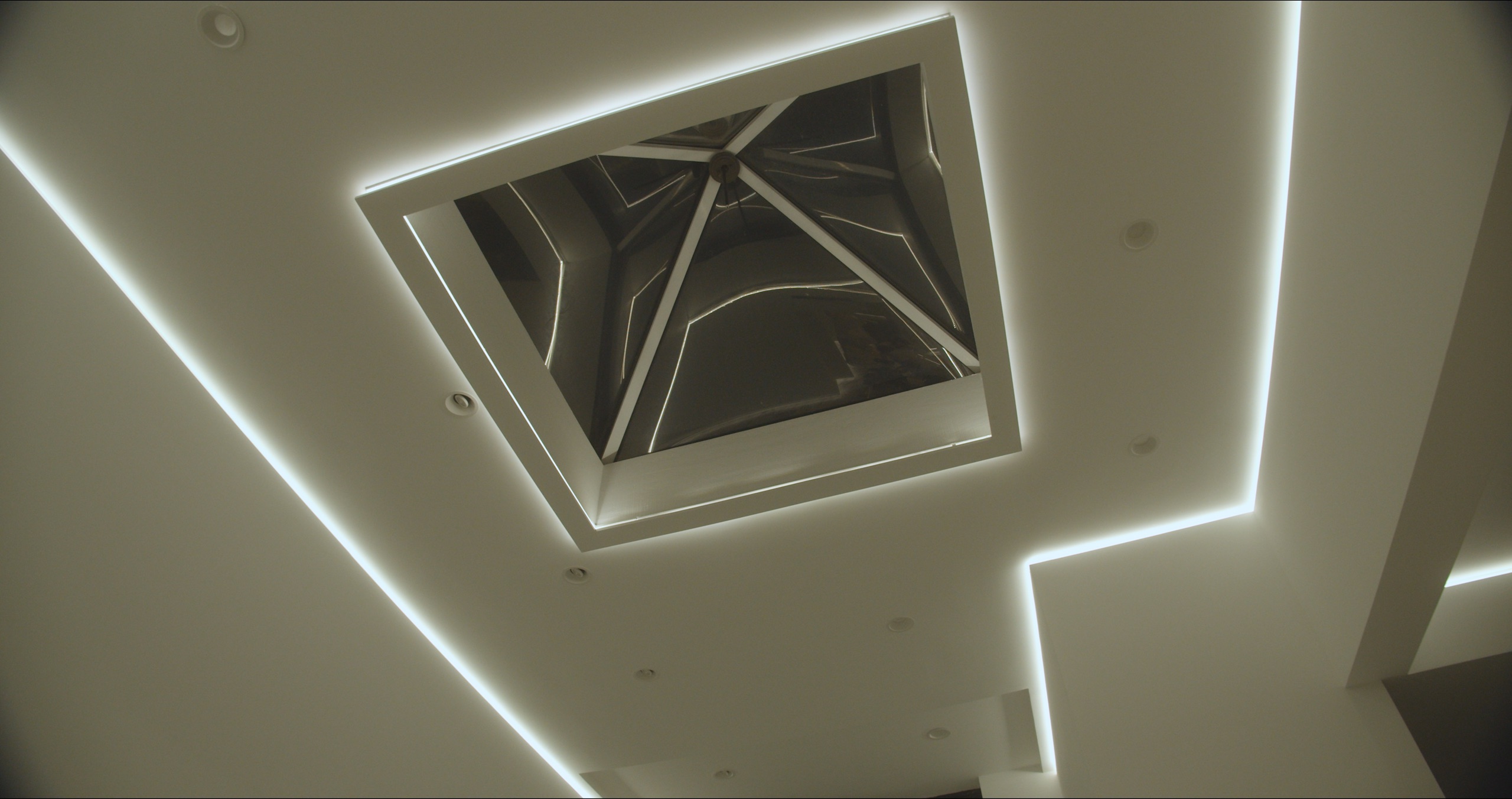
Architectural LED lighting for architects and interior designers.
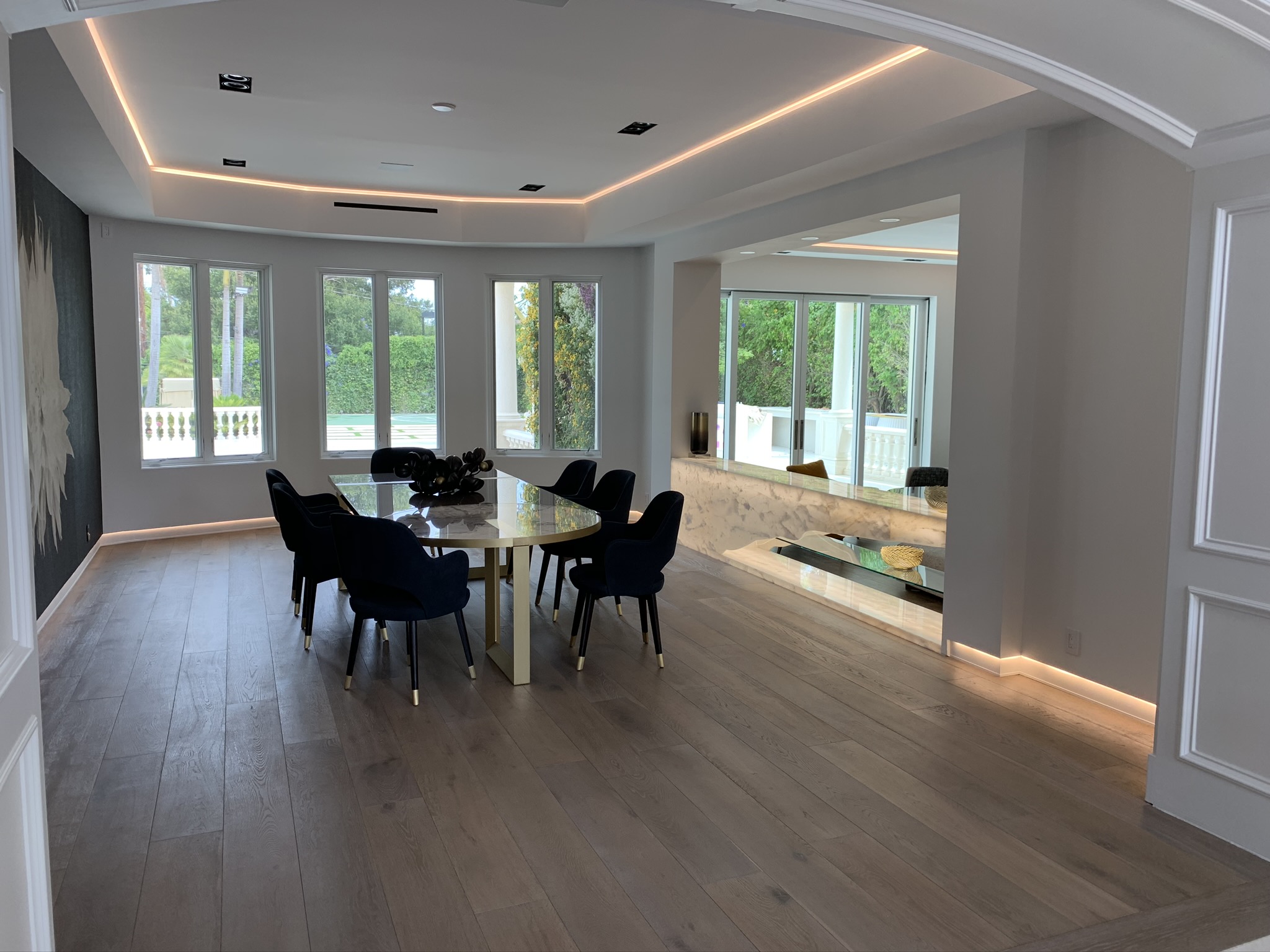
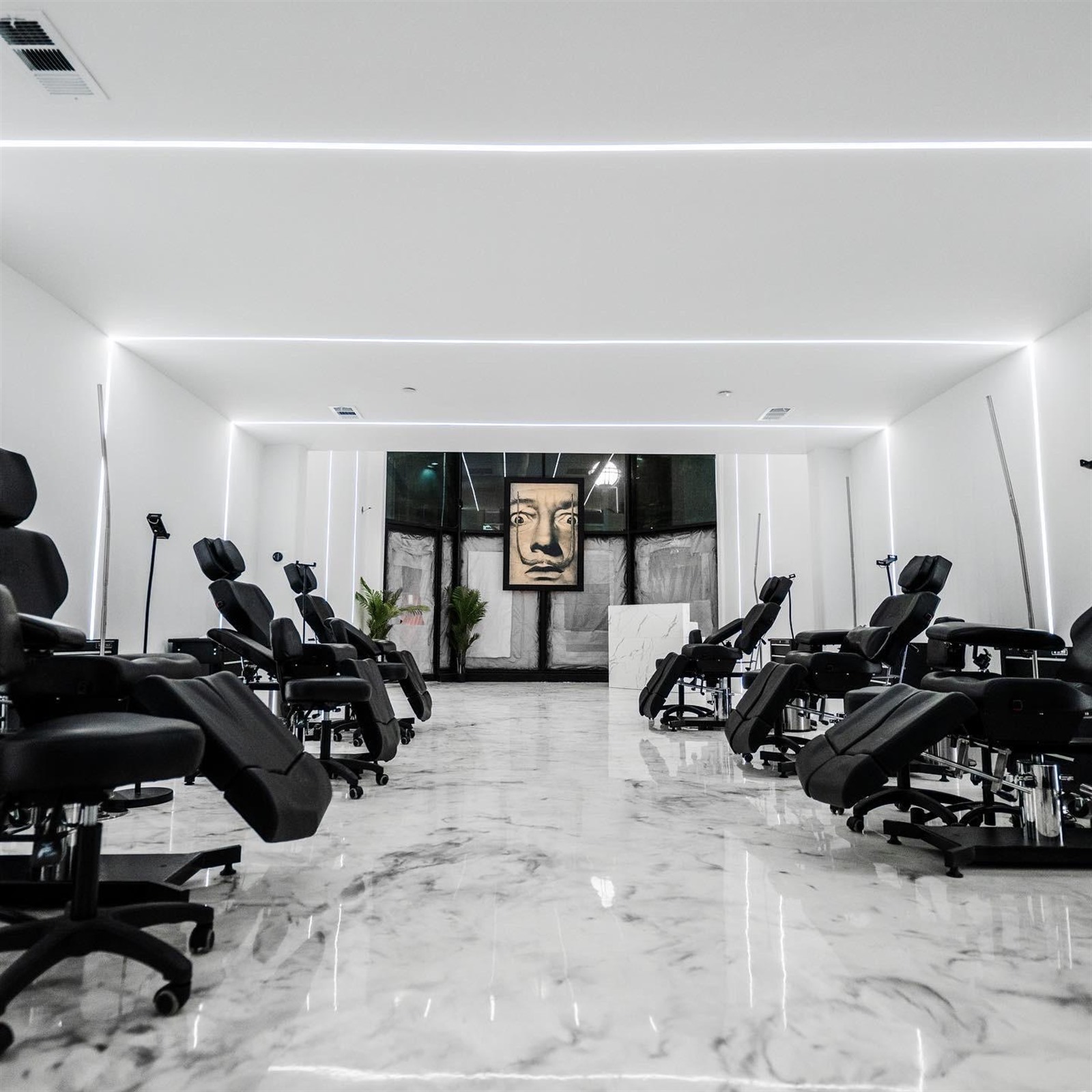
LIT Group helps architects and designers turn concealed lighting ideas into finished architectural details. We build coves, reveals, backlit stone, illuminated stairs, toe kicks, millwork channels, and custom LED assemblies for high-end residential projects in Los Angeles.
The goal is to protect the look of the design. We translate the lighting intent into a buildable system the GC, electrician, stone shop, cabinetmaker, and controls team can actually execute.
The rendering is only the start of the lighting detail.
A thin reveal, a backlit stone wall, or a glowing stair tread can look simple in drawings and still be technically demanding in the field. The finished result depends on channel depth, material thickness, lens choice, driver behavior, color temperature, and how the assembly is serviced later.
LIT Group brings that technical layer into the project without changing the design language. We help the design team keep the detail clean while making sure the field team has a practical system to build.
A specialist for the lighting details that define the room.
We are product-agnostic where the design calls for it and fabrication-focused where the detail needs a custom solution. Our job is to make the architectural LED scope look intentional, quiet, and fully integrated.
- 01Drawing-set review and detail markup at design development — channel profile, lens, set-back, and finish-face geometry.
- 02Material sample testing for color temperature, diffusion, and visual finish before commit.
- 03Buildable assembly translation with documented tolerances, fasteners, and field-install sequence.
- 04RFI responses, submittal review, and shop drawings handled by LIT Group so your office stays out of trade weeds.
- 05Trade coordination across GC, electrician, stone, cabinetry, and controls integrator.
- 06Field installation by LIT Group crews with finish-quality control.
- 07Final tuning against your renderings — color temperature, dim curve, beam edge, and intensity.
What to send for a design review.
An early review usually only takes a partial drawing set and a quick conversation about intent. We’ll come back with detail markup, channel and lens recommendations, sample tests, and any assembly notes the contractor will need to bid cleanly.
- Architectural drawing set or relevant elevations, plans, and sections.
- Lighting design intent — renderings, references, or precedent images.
- Stone selections for any backlit assemblies.
- Cabinetry and millwork drawings if integrated lighting is part of the design.
- Existing controls strategy and dim protocol if specified.
- Anything you want protected through value engineering.
Architect + designer FAQ.
Can LIT Group be specified on the drawing set?
Are you tied to one product line?
Will LIT Group push back on the design?
Can you work directly with our office during DD?
What about the contractor side?
Send lighting intent.
Send renderings, elevations, fixture intent, finish details, or reference images. We will translate the lighting idea into a buildable LED scope.